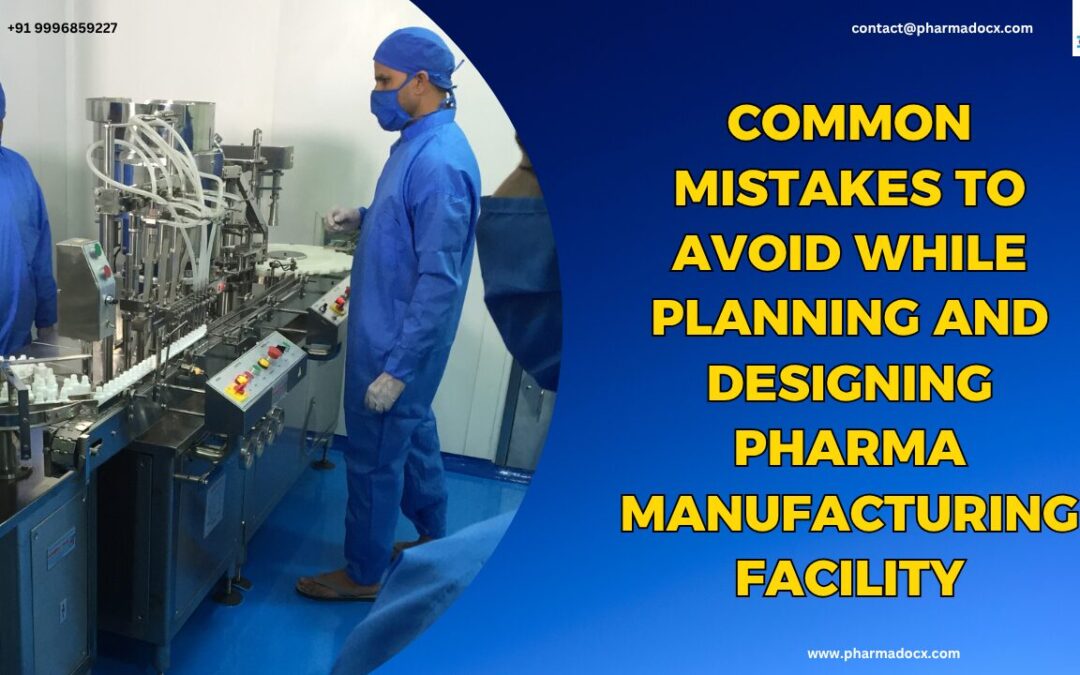
Designing Pharma Manufacturing Facility: 10 Mistakes to Avoid
Planning and designing a pharma manufacturing facility means creating a controlled, compliant, and efficient environment. This environment ensures safe and high-quality medicines are consistently produced. It involves careful site selection, zoning of clean and...
How to Register on CDSCO SUGAM Portal? Step-by-step Guide
The CDSCO SUGAM portal is India’s official online platform for regulatory submissions to the Central Drugs Standard Control Organization (CDSCO). It allows manufacturers, importers, and researchers to apply for approvals related to drugs, medical devices, cosmetics,...
CDSCO Enforces 30-Day Deadline for Drug Application Queries
CDSCO notice, dated May 4, 2026, stated that long-pending applications on the SUGAM portal awaiting query response will be rejected. It directs all applicants to respond to regulatory queries within 30 days of issuance. The notice highlights that numerous applications...
How to Get a CDSCO Drug Manufacturing License in 2026?
Starting a drug manufacturing business in India in 2026 offers strong potential. Rising domestic demand, global export opportunities, and supportive government policies are the driving factors for this booming industry. However, success requires strict compliance with...