
Our Blog
UKCA Marking for SaMD: Requirements and Process
UKCA marking process for Software as a Medical Device (SaMD) requires manufacturers to follow UK MDR 2002 rules. The SaMD must undergo conformity assessment via a UK Approved Body. Additionally, it must be registered with the MHRA before placing the product on the...
UKCA Medical Device Classification System: Your Guide
UKCA classification rules for medical devices follow the UK Medical Devices Regulations 2002 (UK MDR 2002). It mirrors EU MDR principles but apply specifically to Great Britain. UKCA medical device classification determines the conformity route. Thus, higher the risk...

UKCA Technical Documentation Requirements & Elements
UKCA technical documentation for medical devices must demonstrate compliance with UK MDR 2002. It should include evidence of safety and performance and be audit‑ready for MHRA or UK Approved Bodies. The documentation is a comprehensive record covering design,...
10-Step Guide for a Smooth CE to UKCA Transition
CE marking will continue to be accepted in Great Britain until 30 June 2028 for medical devices. It will be accepted until 30 June 2030 for IVDs. Then, UKCA marking will become mandatory. Manufacturers should prepare now by appointing a UK Responsible Person....
UKCA Post-Market Surveillance Requirements for Medical Devices
UKCA post-market surveillance (PMS) is a legal obligation under the UK Medical Devices Regulations, overseen by the MHRA. It requires medical device manufacturers to maintain a structured system for monitoring device safety and performance after market approval. The...
Introduction to UK Conformity Assessed (UKCA): Requirements
UK Conformity Assessed (UKCA) is the United Kingdom’s product marking introduced on 1 January 2021 after Brexit. UKCA shows that a product meets the health, safety, and environmental protection standards required by UK law. It applies to goods sold in Great Britain...
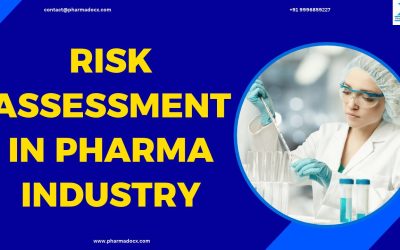
Risk Assessment in Pharma Industry: A Comprehensive Guide
Risk assessment in pharma industry is a systematic evaluation of hazards, their probability, and severity. It is followed by decisions on control measures. Basically, it is a structured process of identifying, analyzing, and controlling potential hazards that could...
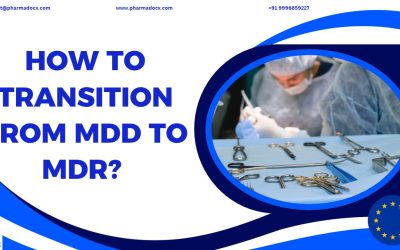
How to Transition from MDD to MDR? 5 Core Steps
European Union Medical Device Regulation (EU MDR) has replaced the previous Medical Device Directive (MDD). It aims to address gaps in oversight and improve patient safety. EU MDR introduces stricter requirements for clinical evaluation, post-market surveillance,...

How to Start a Nebulizer Manufacturing Unit in India?
In this blog, we have prepared a detailed guide on how to set up a nebulizer manufacturing facility in India. To start a nebulizer manufacturing unit in India, you must comply with CDSCO’s Medical Device Rules, 2017. Additionally, you need to secure the CDSCO license...
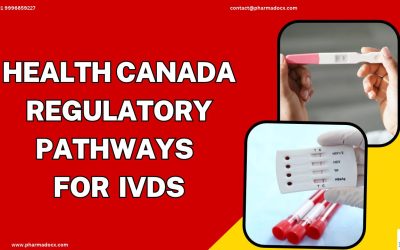
Health Canada Regulatory Pathways for IVDs: Complete Guide
Health Canada regulates in vitro diagnostic devices (IVDs) under the Medical Devices Regulations. It uses a risk-based classification system (Class I–IV) to determine the applicable regulatory pathways. Class II–IV IVDs require a Medical Device Licence (MDL). On the...
Sterilisation Labelling Rule Sparks Industry Concerns in India’s Medical Device Sector
A new sterilisation labelling rule has been introduced under the Medical Devices (Second Amendment) Rules, 2026. Effective from February 2027, the rule requires manufacturers outsourcing sterilisation to print the licence number of the sterilisation facility on...
5 Pro Tips for Effective FDA Communication for Medical Devices
FDA communication for medical devices is the structured process through which manufacturers interact with the U.S. FDA. The aim is to ensure compliance, safety, and timely approval of the products. It includes pre-submission meetings to clarify requirements, formal...
10-Step Guide to Start Selling Medical Devices in Europe
Selling medical devices in Europe is strategically valuable because the EU market is one of the largest and most regulated healthcare markets in the world. Achieving CE marking under the EU MDR or IVDR not only allows entry into Europe but also signals global...
Health Canada Post-Market Surveillance Requirements
Health Canada requires medical device manufacturers to conduct ongoing post-market surveillance. Mandatory summary reports, issue-related analyses, incident reporting, and foreign risk notifications are necessary requirements. Notably, these obligations apply...

Health Canada MDEL Renewal Checklist for MDEL ALR
MDEL annual license review (ALR) is a yearly renewal process for companies manufacturing, importing, or distributing medical devices in Canada. Health Canada oversees the ALR process. This review process ensures that MDEL holders remain consistently compliant with the...
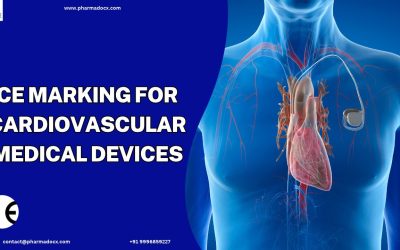
CE Marking for Cardiovascular Medical Devices: Your Guide
CE marking is mandatory for marketing your cardiovascular medical devices in the EU market. It demonstrates compliance with EU MDR guidelines. The process of CE marking for cardiovascular medical devices is a rigorous, multi-step pathway. It ensures safety,...
India Eases Medical Device Rules: EU Added to Waiver List
India has eased medical device rules by removing the requirement for a separate loan licence when manufacturers outsource sterilisation. However, the sterilisation facility should hold a valid licence, with a six‑month transition period to update labels. Additionally,...
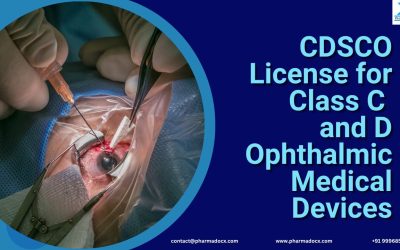
CDSCO License for Class C and D Ophthalmic Medical Devices
Ophthalmic medical devices play a critical role in diagnosis, treatment, monitoring, and surgical management of eye-related diseases and vision disorders. Given their role in healthcare industries, regulatory bodies regulate ophthalmic medical devices to ensure...

5 Tips to Overcome Common US FDA 510k Clearance Barriers
Owing to incorrect application, thousands of US FDA 510(k) submissions are rejected. In this blog, we have provided a detailed guide on how to overcome common FDA 510k clearance barriers. Furthermore, in certain cases, the applicants cannot complete their FDA 510k...
FDA Regulations for AI in Medical Devices: Comprehensive Guide
The FDA currently regulates AI in medical devices through existing pathways (510(k), De Novo, PMA). However, it has issued draft guidance and new discussion papers to address AI-specific risks, namely bias, transparency, and continuous learning. In this blog, we have...
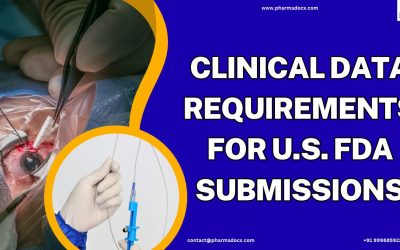
Clinical Data Requirements for U.S. FDA Submissions
The FDA’s clinical data requirements are designed to ensure that medical devices are proven safe and effective before reaching patients. Clinical data refers to evidence collected from human studies, including trials, observational studies, and post‑market...
Draft Drugs, Medical Devices & Cosmetics Bill 2026: India’s Pharma & Medical Device Regulation Overhauled
Government plans to replace the Drugs & Cosmetics Act, 1940. This highlights a major regulatory shift. The Draft Drugs, Medical Devices & Cosmetics Bill, 2026 aims to replace the 1940 Act. It will consolidate drug, device, and cosmetic regulation under one...

CDSCO MD 40 License for Laboratory Registration in India
Testing laboratories in India must obtain official approval to conduct medical device testing for regulatory purposes. This registration ensures that only accredited and compliant labs are authorized to generate test reports accepted by CDSCO. It is a critical step in...
Best CDSCO Consultant in Panchkula 2026: Drugs, Medical Devices, & Cosmetics
Are you looking for a CDSCO consultant in Panchkula? Well, you have landed in the right place. We at Pharmadocx Consultants will make the process of securing the CDSCO license a breeze for you. Our service covers CDSCO licensing for pharmaceuticals, medical devices,...
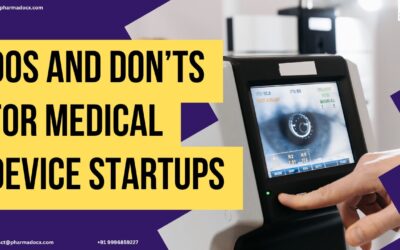
Top Dos and Don’ts Guide for Medical Device Startups
Starting a medical device startup involves blending innovation with regulatory discipline. Entrepreneurs must begin by identifying unmet clinical needs and designing solutions that are both technically feasible and commercially viable. Moreover, they must...

CE Marking for Class Ir Surgical Instruments: Complete Guide
Class Ir surgical instruments require CE marking under the EU MDR. Notably, notified body involvement is limited to reprocessing aspects (cleaning, disinfection, sterilization, maintenance, functional testing). Unlike general Class I devices, manufacturers cannot...
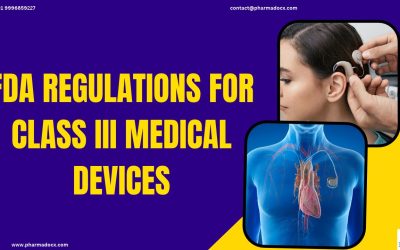
FDA Regulations for Class III Medical Devices: PMA
Class III medical devices are the FDA’s highest-risk category and require rigorous Premarket Approval (PMA) before marketing. These devices sustain or support life, prevent serious health impairment, or pose significant risk if they fail. Unlike Class I and II...

Cybersecurity Requirements for 510(k): Documents, Risk & Tips
Cybersecurity requirements for 510(k) focus on ensuring that medical devices with software or connectivity can withstand cyber threats. 510(k) cybersecurity requirements mandate detailed documentation of secure design, risk management, and postmarket controls for...
7 Essential QMS SOPs for Medical Device Start-Ups
Quality Management System Standard Operating Procedures (QMS SOPs) play a foundational role in medical device start-ups. They transform regulatory requirements into daily operational discipline. They act as the “how-to manuals” for every critical process. SOPs create...

US FDA Pre Submission Meetings: Increases Chance of Successful Application
US FDA pre submission meetings are part of the Q-Submission Program. It allows medical device manufacturers to obtain structured, written feedback and optional meetings with FDA reviewers. These meetings are conducted before submitting applications, such as 510(k), De...
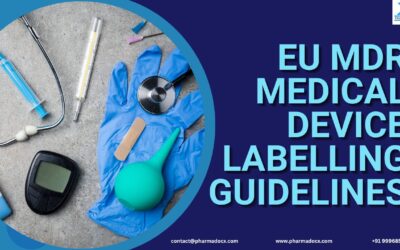
5 Core EU MDR Medical Device Labelling Guidelines
EU MDR medical device labelling is critically important because it ensures patient safety, regulatory compliance, and EU market access. Labels provide essential information, such as device identification, manufacturer details, usage instructions, warnings, and...
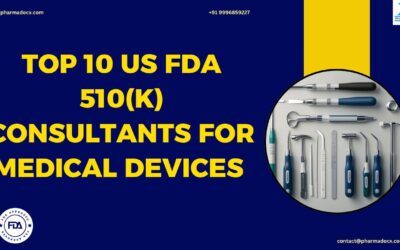
Top 10 US FDA 510(k) Consultants for Medical Devices
US FDA 510(k) consultants help medical device companies navigate complex regulatory requirements and avoid costly mistakes during submission. Their expertise ensures that documentation, testing, and predicate device comparisons are accurate and aligned with FDA...
What is Medical Device Equivalence? A Detailed Guide
Medical device equivalence is a regulatory concept under the EU Medical Device Regulation (MDR). It allows a manufacturer to rely on the clinical data of an already marketed device to support the safety and performance of a new device. However, they must demonstrate...
EU AI Act for Medical Devices: 5 Key Obligations
The EU AI Act introduces a new compliance layer for AI-enabled medical devices in Europe. It requires manufacturers to meet both EU MDR/IVDR and AI Act obligations. High-risk AI medical devices must now address AI-specific requirements, such as data governance, risk...
CDSCO Regulations for Manufacturing Home Healthcare Devices
Home healthcare devices are medical tools designed for use at home to monitor, manage, and support health conditions. They are especially useful for elderly care, chronic diseases, such as diabetes or hypertension, and post-COVID recovery. In India, popular home...
What is QMS Certification Training for Medical Devices?
QMS certification training for medical devices is a professional course that teaches participants how to understand, implement, and audit QMS. The training typically covers regulatory requirements, risk-based thinking, documentation practices, and internal/external...
India–UK FTA Opens Door for MedTech Industry Growth with Regulatory Recognition
India–UK FTA, effective July 15, 2026, introduces mutual regulatory recognition for medical devices. Additionally, it removes tariffs on Indian exports, such as surgical instruments, diagnostic equipment, ECG machines, and X-ray systems. This means Indian...

CDSCO Regulations for Cosmetic Variants in India: Your Guide
CDSCO is the apex regulatory body for cosmetics in India. Thus, all cosmetics and their variants will have to be registered with the CDSCO to be launched in India. Under CDSCO, cosmetic variants are defined as differences in shade, fragrance, flavour, or pack size of...
An 8-Step Comprehensive Guide to EU IVDR Compliance
In vitro diagnostics (IVDs) are devices used to perform tests outside the human body on samples, such as blood, urine, or tissue. They are used to detect diseases, monitor health, and guide treatment decisions. They play a crucial role in healthcare by enabling early...
7-Step Beginner’s Guide to Get ISO 13485 Certification
ISO 13485 certification is the internationally recognized accreditation for medical device companies. It demonstrates compliance with a robust Quality Management System (QMS) tailored to patient safety, regulatory requirements, and risk management. The certification...