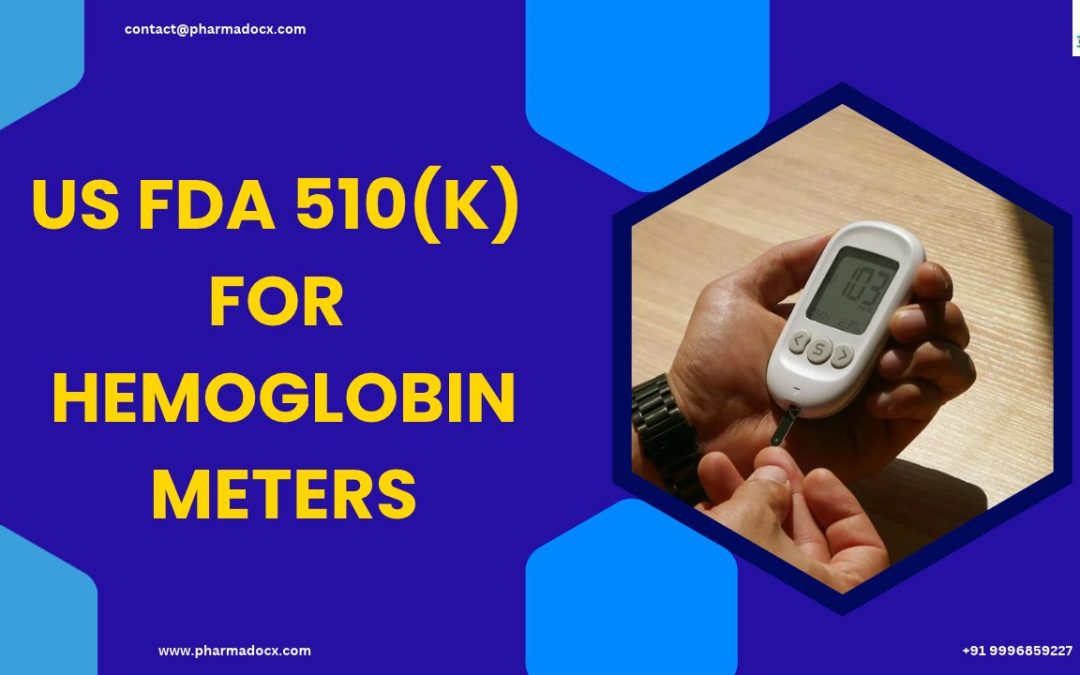
Easily Get US FDA 510(k) for Hemoglobin Meters
Hemoglobin meters are commonly used to measure hemoglobin levels in blood samples. They are used to assist healthcare professionals in the screening, diagnosis, and monitoring of conditions, such as anemia. FDA clearance through the 510(k) pathway provides assurance...
UK Responsible Person (UKRP): Roles and Responsibilities
The UK Responsible Person (UKRP) is a mandatory UK-based representative for overseas manufacturers. Overseas medical device and IVD manufacturers who want to place their products on the Great Britain market must appoint a UKRP. They act as the legal liaison with the...
Protected: UAE investment drives Middle East biopharma transformation as precision medicine set for double-digit growth
Password Protected
To view this protected post, enter the password below:
UKCA Marking for SaMD: Requirements and Process
UKCA marking process for Software as a Medical Device (SaMD) requires manufacturers to follow UK MDR 2002 rules. The SaMD must undergo conformity assessment via a UK Approved Body. Additionally, it must be registered with the MHRA before placing the product on the...