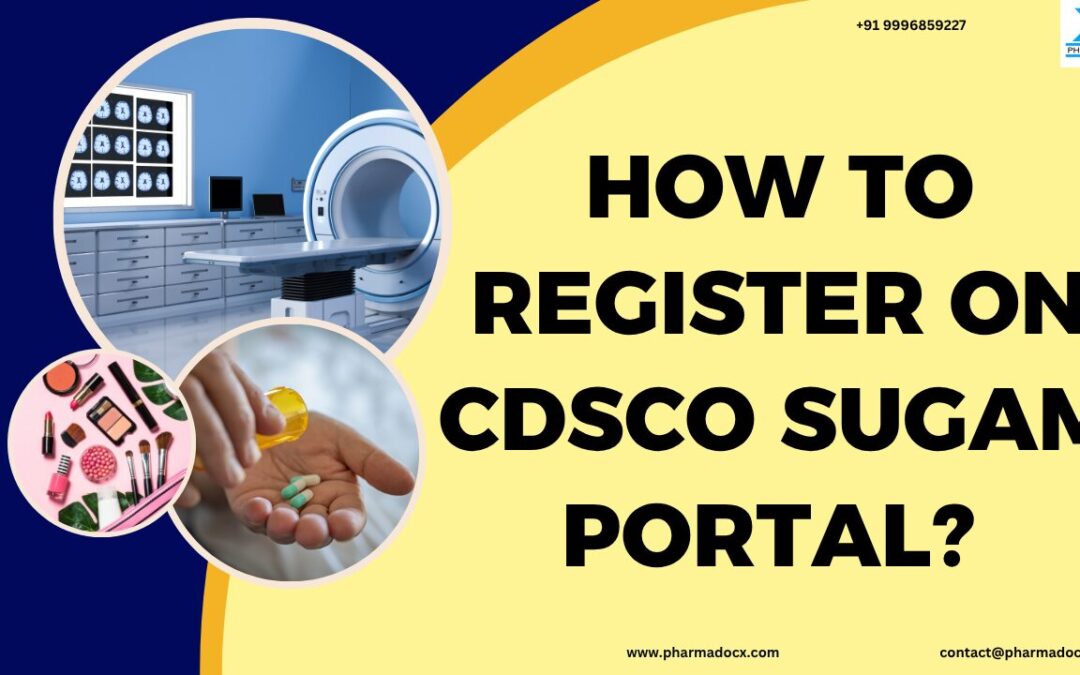
How to Register on CDSCO SUGAM Portal? Step-by-step Guide
The CDSCO SUGAM portal is India’s official online platform for regulatory submissions to the Central Drugs Standard Control Organization (CDSCO). It allows manufacturers, importers, and researchers to apply for approvals related to drugs, medical devices, cosmetics,...
How to Start ECG Machine Manufacturing Business in 2026?
In the healthcare industry, ECG machines play a pivotal role by enabling early detection and monitoring of cardiovascular conditions. They provide accurate insights into heart rhythm and electrical activity. Hence, they support clinical decision-making in hospitals,...
Mandatory EUDAMED Use Implemented from 28th May, 2026
European database on medical devices (EUDAMED) is the European Commission’s digital platform for medical device and IVD regulation. It is aimed to enhance transparency, traceability, and regulatory coordination across the European Union. As of 28th May, 2026, EUDAMED...