6 Differences Between US FDA De Novo and FDA 510(k) Pathways
The US FDA offers multiple regulatory pathways for medical devices entering its market. In this blog, we have highlighted the differences between US FDA De Novo and FDA 510(k) pathways. FDA De Novo and FDA 510(k) To understand the differences between FDA De Novo and...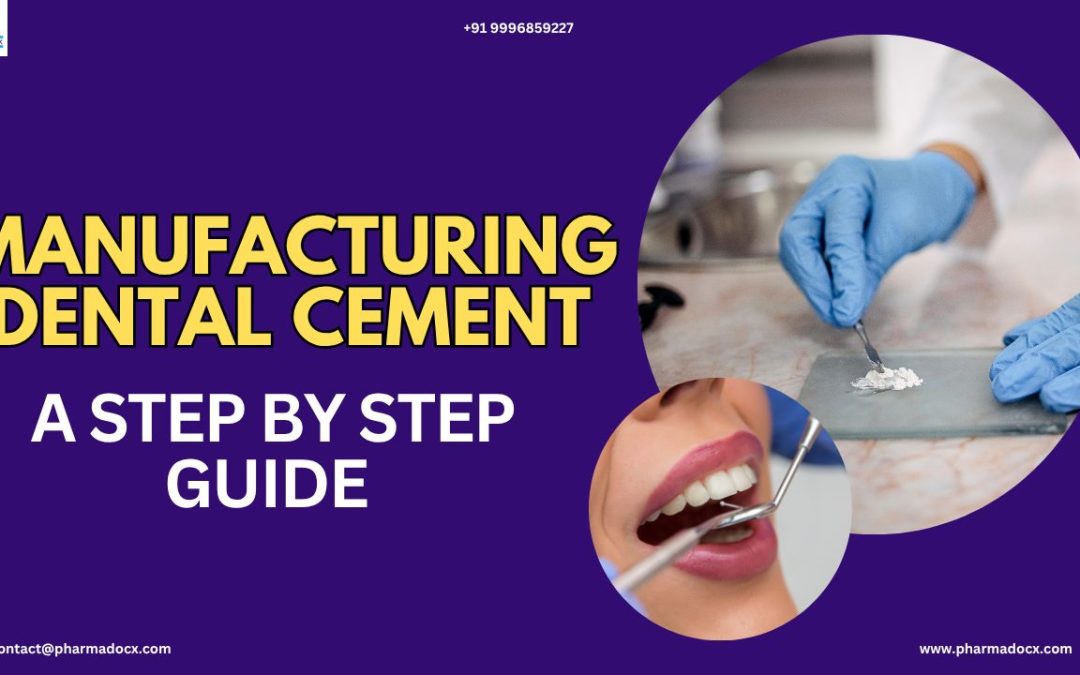
5 Step Guide to Manufacturing Dental Cement: Global Regulations
Dental cements are materials used in dentistry to bond restorations, fill cavities or act as liners, and provide temporary/permanent adhesion. Hence, they have a crucial role in modern dentistry. As dental cements are of pivotal importance in dentistry and are...
What are Good Documentation Practices (GDP)? Basics & Pro Tips
Good documentation practices (GDP) describe best practices for creating and maintaining documentation in both paper and electronic format. These practices are used in pharmaceutical industry, medical device industry, and laboratories. It is basically a set of good...