Best CDSCO Consultant in Panchkula 2026: Drugs, Medical Devices, & Cosmetics
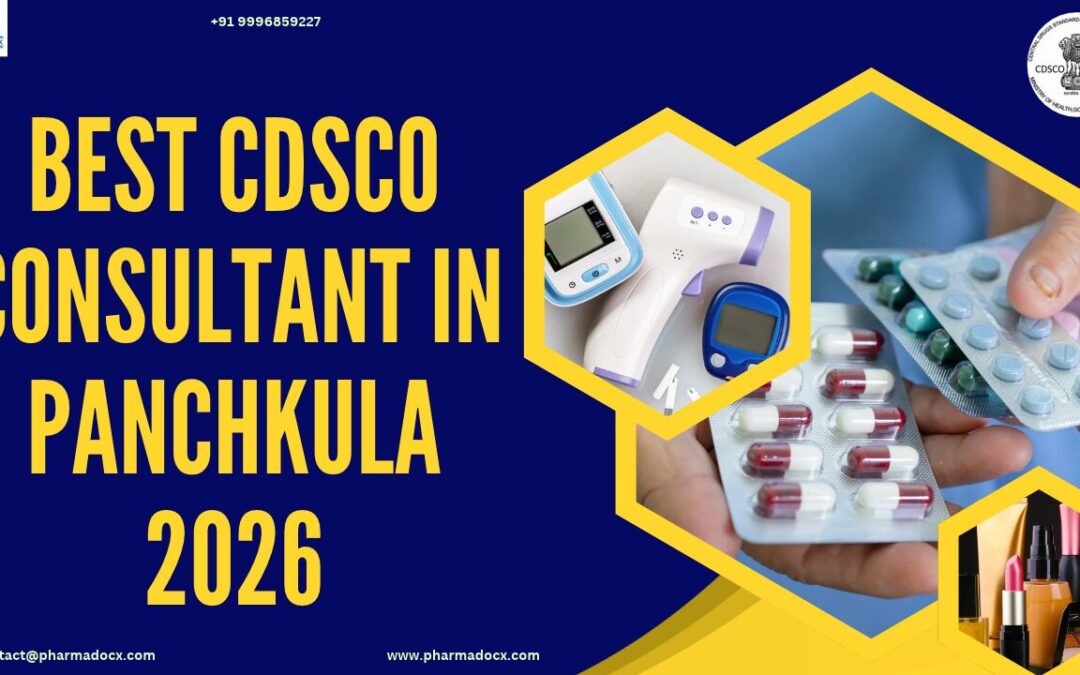
Are you looking for a CDSCO consultant in Panchkula? Well, you have landed in the right place. We at Pharmadocx Consultants will make the process of securing the CDSCO license a breeze for you. Our service covers CDSCO licensing for pharmaceuticals, medical devices,...
Top Dos and Don’ts Guide for Medical Device Startups
Starting a medical device startup involves blending innovation with regulatory discipline. Entrepreneurs must begin by identifying unmet clinical needs and designing solutions that are both technically feasible and commercially viable. Moreover, they must...
CE Marking for Class Ir Surgical Instruments: Complete Guide
Class Ir surgical instruments require CE marking under the EU MDR. Notably, notified body involvement is limited to reprocessing aspects (cleaning, disinfection, sterilization, maintenance, functional testing). Unlike general Class I devices, manufacturers cannot...