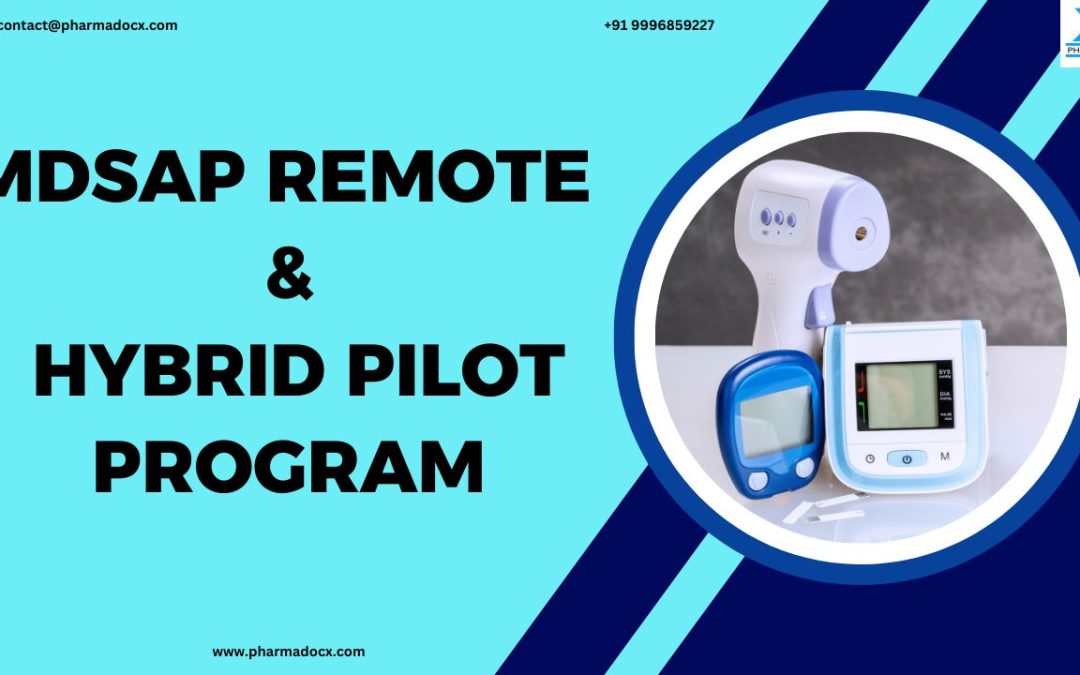
MDSAP Remote and Hybrid Pilot Program: Key Insights
MDSAP remote and hybrid pilot program was launched to modernize medical device audits by introducing digital flexibility while preserving regulatory rigor. It emerged as a response to global challenges while ensuring manufacturers remain compliant across multiple...
Benefit-Risk Analysis for 510 (k) Clearance: 4 Key Elements
US FDA 510(k) clearance is a premarket notification pathway for medical devices intended for U.S. market entry. This pathway is essential for devices that are not exempt from FDA 510(K) and is not already legally marketed. Additionally, it is required for devices that...
HVAC System Validation in Pharmaceutical Industry: 4 Stages
In the pharmaceutical industry, the Heating, Ventilation, and Air Conditioning (HVAC) system is a critical infrastructure. It controls temperature, humidity, air quality, and cleanliness to ensure product safety, regulatory compliance, and worker comfort. HVAC systems...