CDSCO Enforces 90-day SUGAM Portal Application Rejection Rule
SUGAM is the official CDSCO license application portal. It is a single-window online system for regulatory submissions. It ensures faster approvals and clear digital tracking of submissions. Central Drugs Standard Control Organization (CDSCO) has announced a new SUGAM...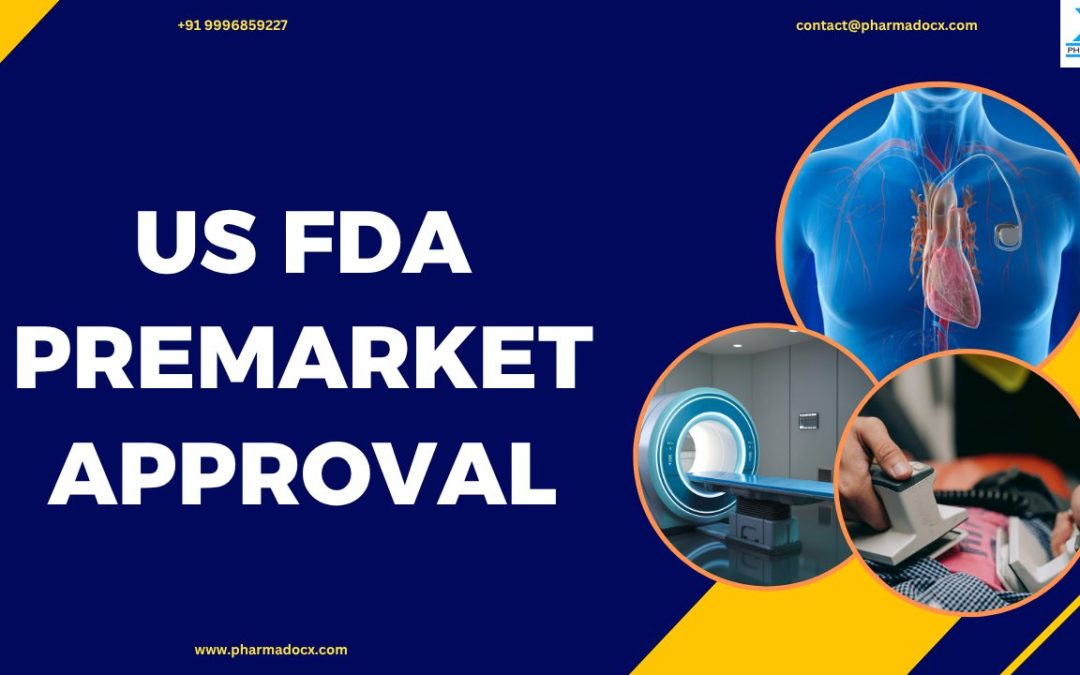
US FDA Premarket Approval: Your Comprehensive Guide
FDA has three types of regulatory pathways, namely 510(k), De Novo, PMA, for medical device approval. US FDA premarket approval (PMA) is the most rigorous and stringent regulatory pathway. High-risk devices (Class III devices that sustain life or pose significant...
How Can Mid-Project Design Changes Impact Regulatory Approval?
Mid-project design changes can significantly delay or derail regulatory approvals. This is because they alter the validated product definition, thereby requiring new risk assessments, verification/validation, and updates to technical documentation. Hence, they often...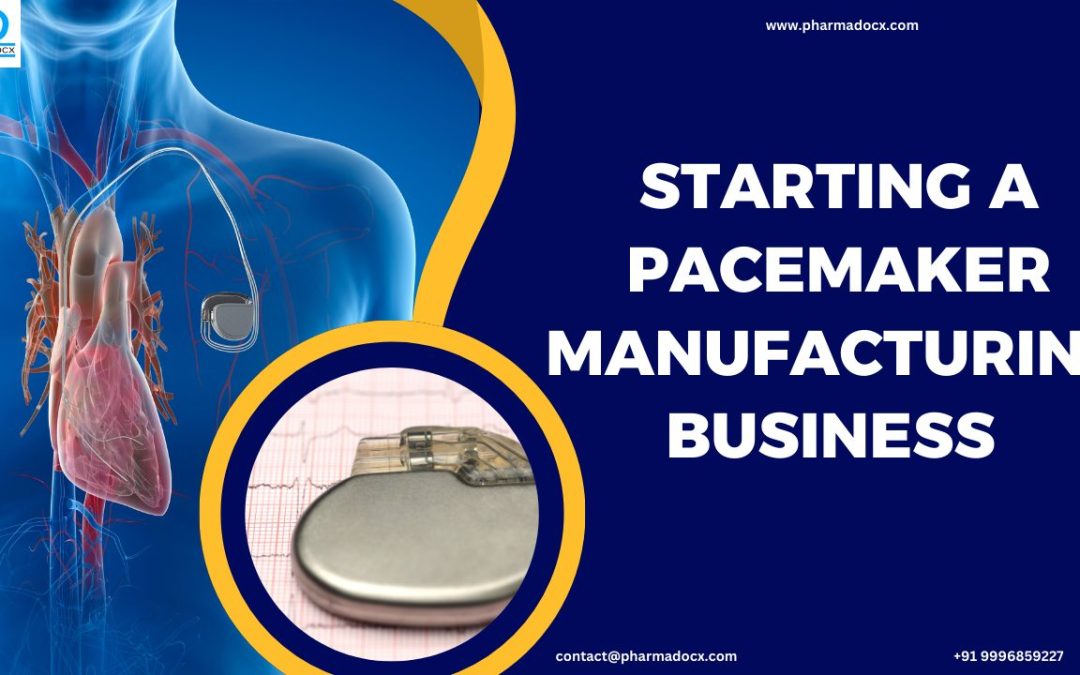
A Guide to Starting a Pacemaker Manufacturing Business in India
A pacemaker is a small, implanted device used to treat heart rhythm disorders (arrhythmias). Thus, a pacemaker has a considerable impact in the cardiovascular field of medicine. Starting a pacemaker manufacturing business in India is a highly lucrative opportunity. It...