


MDSAP Post Market Surveillance: Your Detailed Guide
Medical device single audit program (MDSAP) is a comprehensive audit framework designed to meet regulatory requirements of multiple participating countries. MDSAP post‑market surveillance requires manufacturers to maintain a harmonized, risk‑based system for...
How to Easily Get Your Medical Device Approved in Canada?
Navigating Canada’s medical device approval pathway can feel overwhelming. The process of obtaining medical device approval in Canada is complex and requires strict adherence to Health Canada’s regulatory framework. For organizations seeking market entry,...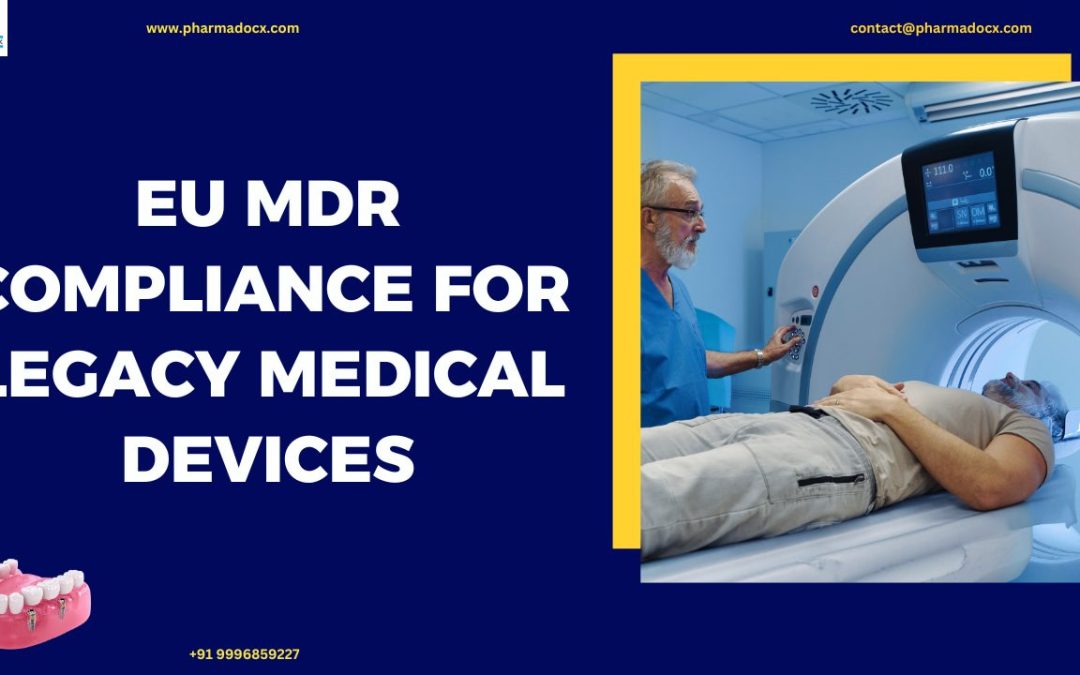
EU MDR Compliance for Legacy Medical Devices: New Guidance
Legacy devices are products that were legally certified under older directives (MDD) but are allowed to remain in EU market. The EU MDR has released new guidelines for legacy devices. Legacy devices will have to mandatorily comply with these guidelines to...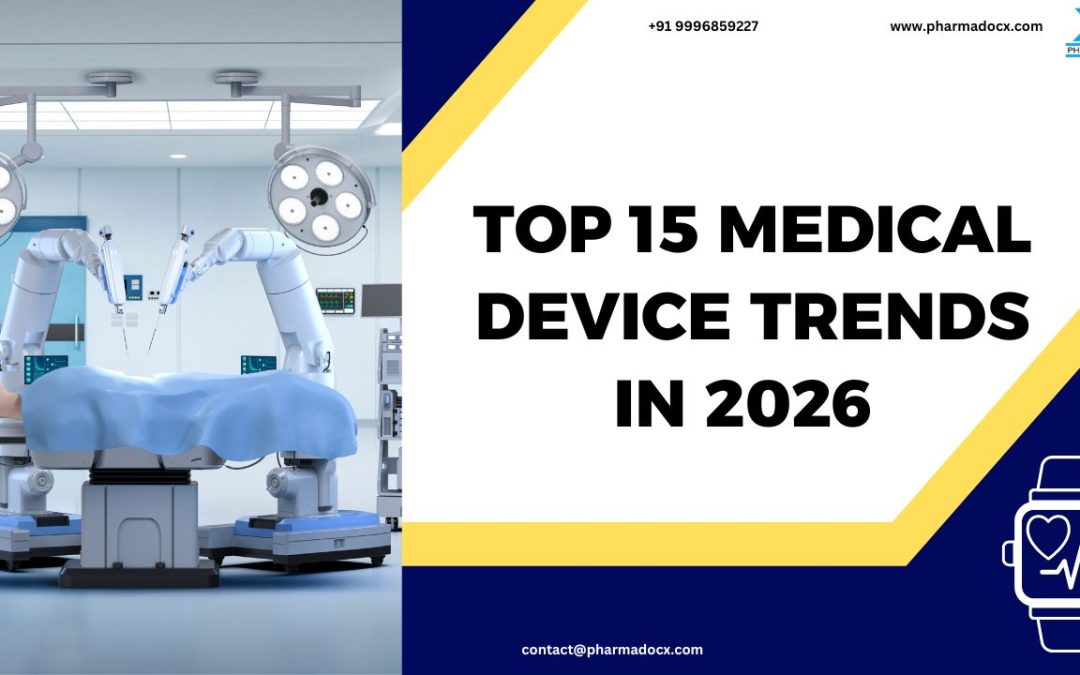
Top 15 Medical Device Trends in 2026 To Watch
The top medical device trends in 2026 are being shaped by AI, robotics, sustainability, and patient-centered innovation. The medical device industry is focussing on improved, smart, connected, and accessible healthcare worldwide. Companies are focusing on agility,...