CDSCO Medical Device License Application Guide for First Time Applicants
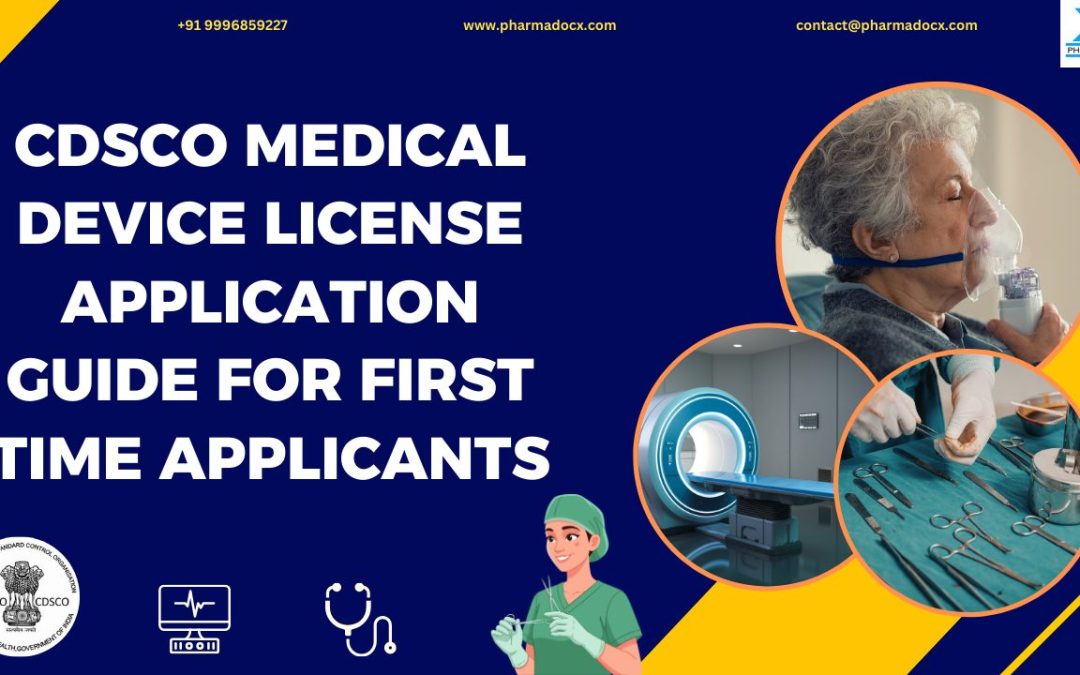
Medical devices have a pivotal role in the healthcare industry. These devices are used to diagnose, monitor, and treat patients. In India, the Central Drugs Standard Control Organization (CDSCO) regulates and controls all medical devices entering its market. A CDSCO...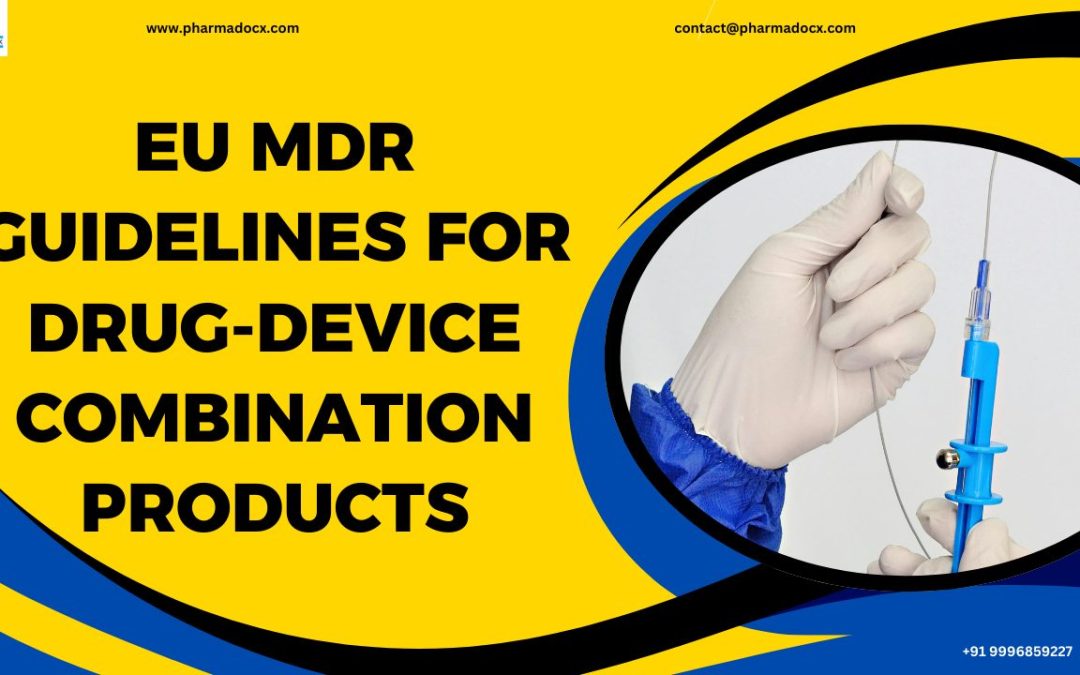
EU MDR Guidelines for Drug-Device Combination Products
The EU Medical Device Regulation (MDR) categorises drug-device combinations based on their primary mode of action (PMOA). The regulatory pathway is determined by whether the product is primarily a medicinal product (drug) or a medical device. In this blog, we will...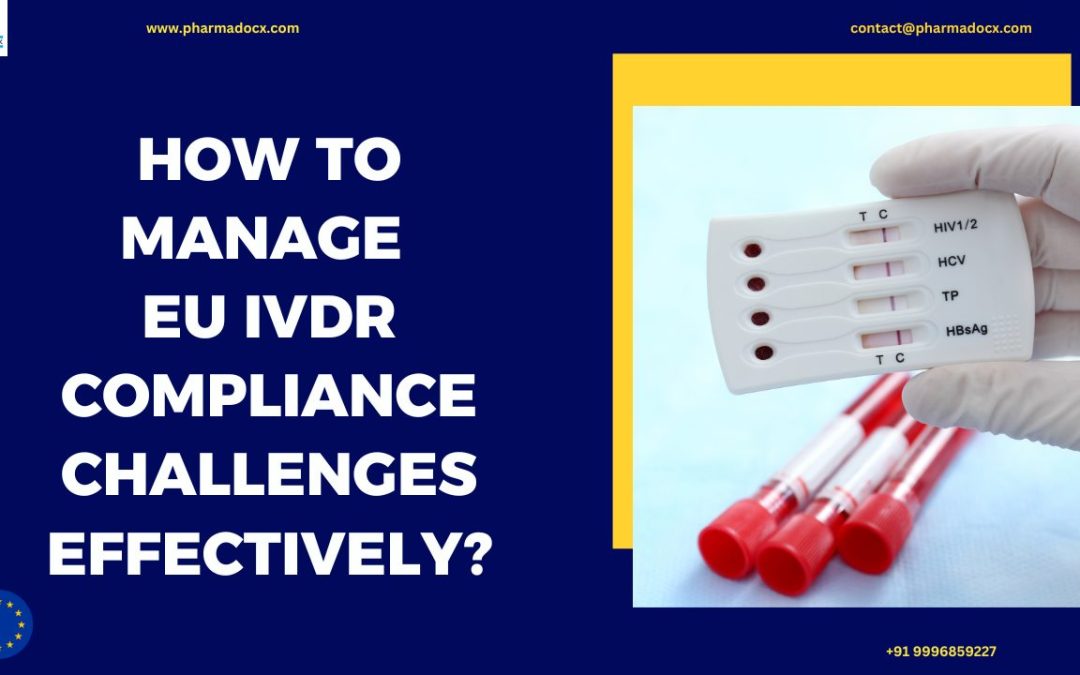
How to Manage EU IVDR Compliance Challenges Effectively?
EU IVDR governs invitro diagnostic devices (IVDs) placed in the EU market. It aims to strengthen patient safety, ensure higher quality standards, and improve transparency compared to the previous directive. Hence, EU IVDR is a major regulatory overhaul that raises the...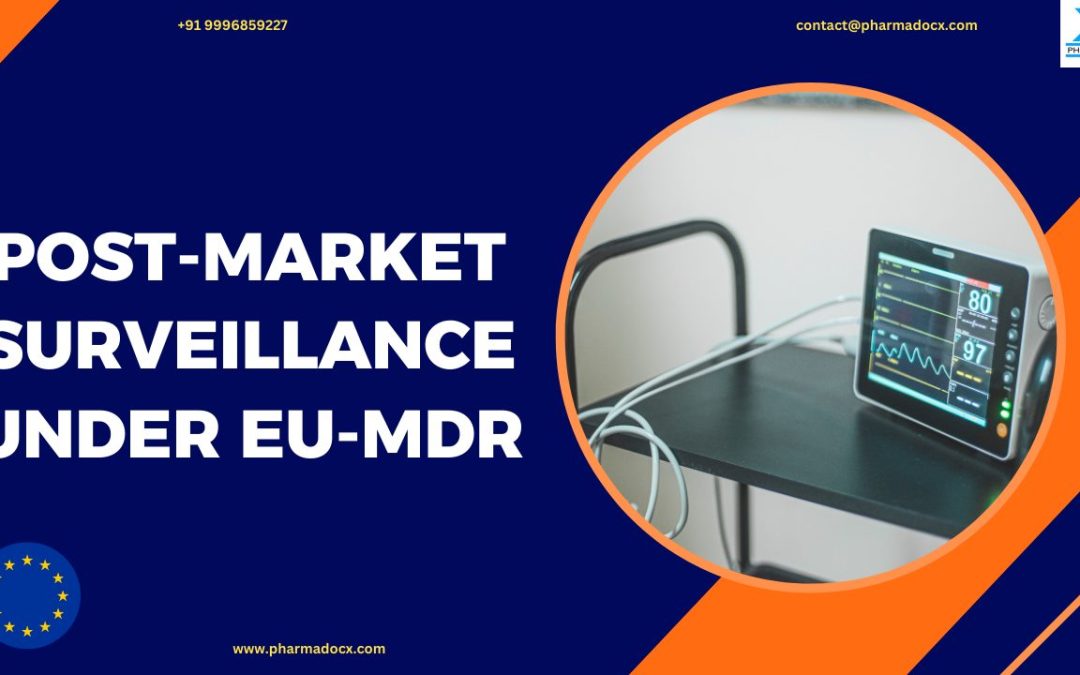
12 Tips for Effective Post-Market Surveillance Under EU-MDR
In this blog, we have provided tips to perform effective post-market surveillance under EU-MDR. What is post-market surveillance under EU-MDR? Post-market surveillance under EU-MDR is the structured process by which manufacturers continuously monitor the safety,...