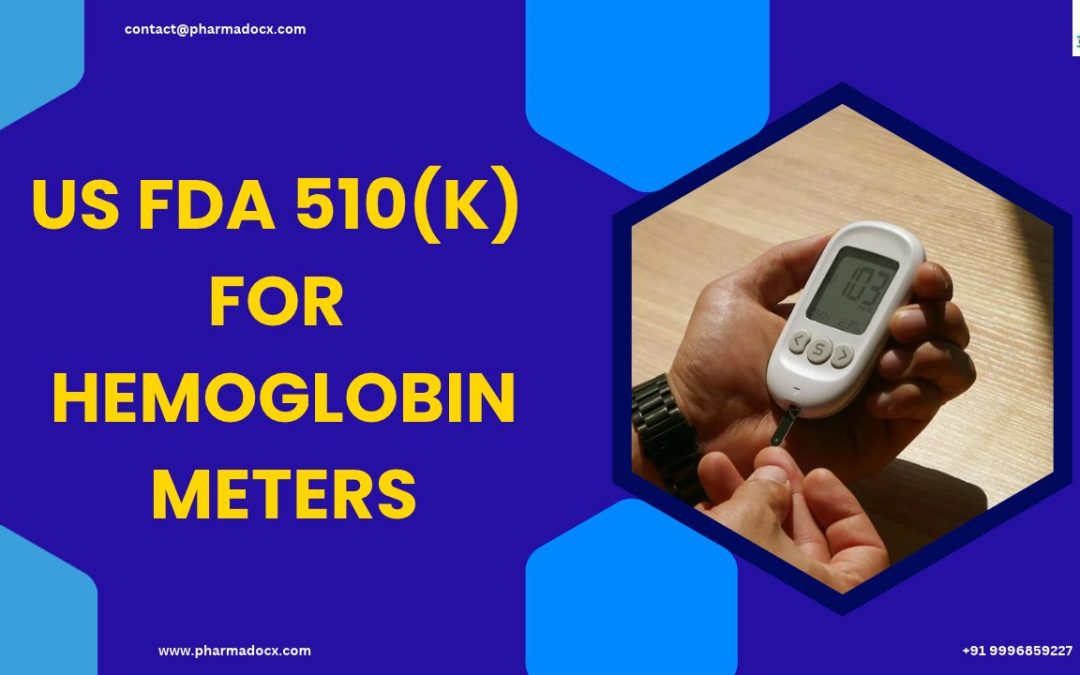
Easily Get US FDA 510(k) for Hemoglobin Meters
Hemoglobin meters are commonly used to measure hemoglobin levels in blood samples. They are used to assist healthcare professionals in the screening, diagnosis, and monitoring of conditions, such as anemia. FDA clearance through the 510(k) pathway provides assurance...
5 Tips to Overcome Common US FDA 510k Clearance Barriers
Owing to incorrect application, thousands of US FDA 510(k) submissions are rejected. In this blog, we have provided a detailed guide on how to overcome common FDA 510k clearance barriers. Furthermore, in certain cases, the applicants cannot complete their FDA 510k...
Cybersecurity Requirements for 510(k): Documents, Risk & Tips
Cybersecurity requirements for 510(k) focus on ensuring that medical devices with software or connectivity can withstand cyber threats. 510(k) cybersecurity requirements mandate detailed documentation of secure design, risk management, and postmarket controls for...