US FDA Pre Submission Meetings: Increases Chance of Successful Application
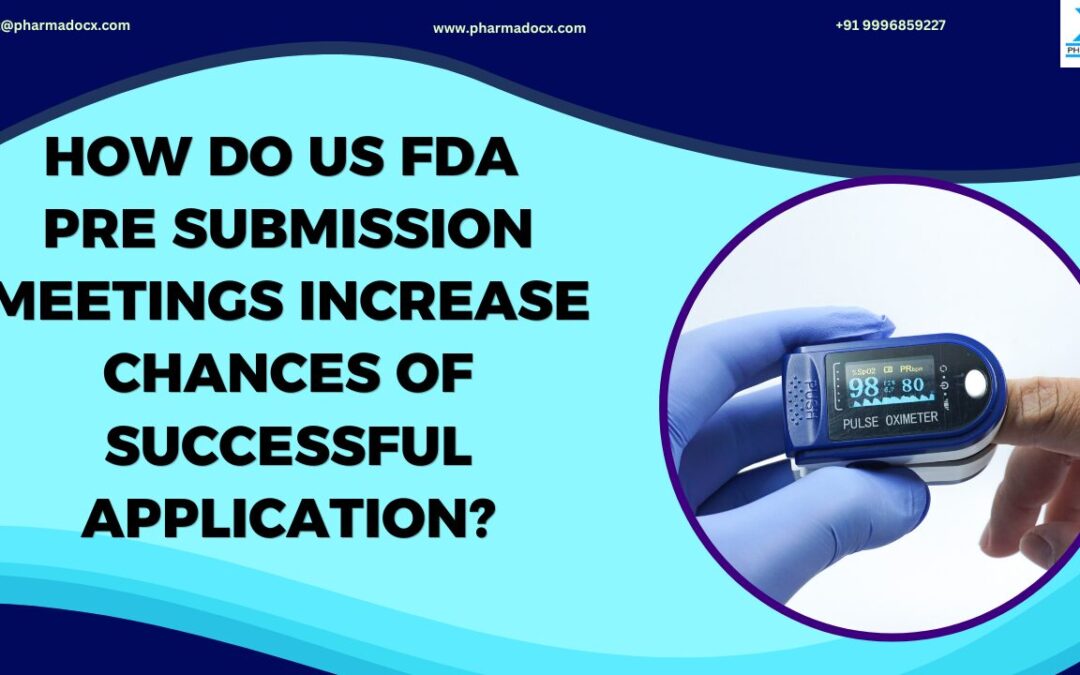
US FDA pre submission meetings are part of the Q-Submission Program. It allows medical device manufacturers to obtain structured, written feedback and optional meetings with FDA reviewers. These meetings are conducted before submitting applications, such as 510(k), De...
Top 10 US FDA 510(k) Consultants for Medical Devices
US FDA 510(k) consultants help medical device companies navigate complex regulatory requirements and avoid costly mistakes during submission. Their expertise ensures that documentation, testing, and predicate device comparisons are accurate and aligned with FDA...
US FDA 510(k) Review Process and Main Stages: A Guide
The FDA 510(k) review process is the most common pathway for bringing moderate-risk medical devices to the U.S. market. It is a structured pathway ensuring a medical device is substantially equivalent to a legally marketed predicate device before clearance. The...