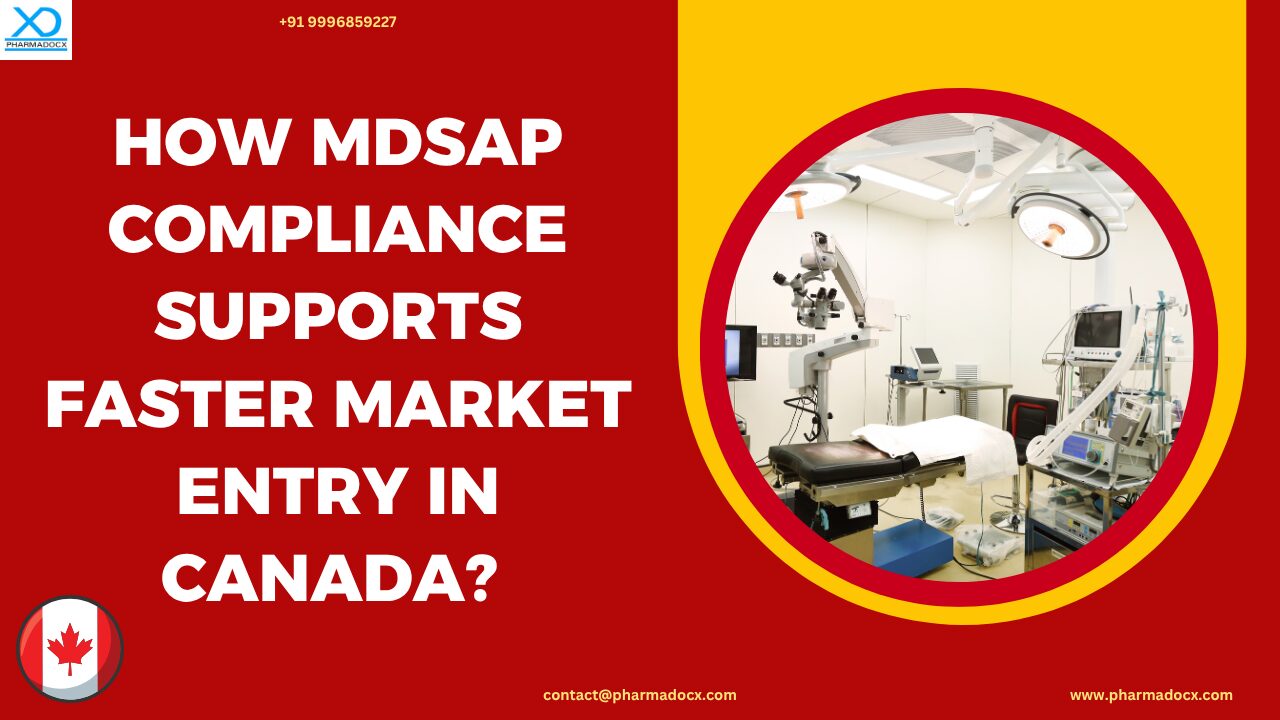
In Canada, Medical Device Single Audit Program (MDSAP) is a mandatory requirement for Class II, III, and IV medical devices. Only with MDSAP certificate can you apply for Medical Device Licence (MDL) for Class II, III, and IV medical devices. Health Canada accepts a valid MDSAP certificate as proof of compliance with ISO 13485:2016. The program requires manufacturers to undergo a single audit conducted by a recognized Auditing Organization. It covers QMS processes, such as design controls, CAPA, complaint handling, and adverse event reporting. This audit report is then used by Health Canada to evaluate licensing applications. This eliminates the need for separate inspections and significantly streamlines the approval process. By aligning with MDSAP, manufacturers not only meet Canada’s regulatory requirements but also gain simultaneous recognition in other participating jurisdictions. Hence, MDSAP compliance accelerates market entry in Canada by streamlining MDL review process and reducing regulatory delay.
What is MDSAP?
The Medical Device Single Audit Program (MDSAP) is a global initiative that allows a single regulatory audit of a medical device manufacturer’s Quality Management System (QMS) to satisfy the requirements of multiple jurisdictions. Built on ISO 13485:2016, it incorporates country‑specific clauses from regulators in Canada, the U.S., Brazil, Japan, and Australia. Instead of undergoing separate audits for each market, manufacturers complete one comprehensive audit conducted by a recognized Auditing Organization. The comprehensive audit covers processes, such as design controls, complaint handling, CAPA, and adverse event reporting. This streamlined approach reduces duplication, ensures consistent compliance, and accelerates access to multiple markets simultaneously. We have listed the MDSAP participating countries:
- Canada (Health Canada): MDSAP is mandatory for Class II–IV medical device manufacturers to obtain or renew a Medical Device Licence (MDL).
- United States (FDA): Participation is voluntary. FDA accepts MDSAP audit reports in place of routine inspections.
- Brazil (ANVISA): MDSAP is mandatory for manufacturers seeking registration of certain medical devices.
- Japan (MHLW/PMDA): Participation is voluntary but MDSAP audit reports are accepted as part of QMS certification.
- Australia (TGA): Participation is voluntary, with MDSAP audit reports accepted as evidence of compliance with ISO 13485 requirements.
Benefits of MDSAP compliance
- Single audit, multiple markets: MDSAP allows one audit to satisfy regulatory requirements for Canada, the U.S., Brazil, Japan, and Australia. This eliminates the need for separate country audits, thereby saving time and resources.
- Mandatory compliance in Canada: For Class II–IV devices, Health Canada requires MDSAP certification to obtain or renew a Medical Device Licence (MDL). Compliance ensures faster approval and uninterrupted market access.
- Streamlined regulatory review: Audit reports from recognized Auditing Organizations are accepted directly by regulators. This reduces back‑and‑forth documentation requests and accelerates licensing timelines.
- Reduced audit burden: Manufacturers avoid multiple overlapping inspections by different authorities. This lowers audit fatigue, minimizes scheduling conflicts, and cuts compliance costs.
- Global credibility and market expansion: Holding an MDSAP certificate demonstrates strong QMS discipline and global readiness. It enhances trust with regulators, distributors, and healthcare institutions, thereby opening doors to wider market opportunities.
MDSAP compliance and Health Canada requirements
MDSAP compliance and Health Canada requirements are tightly linked because Canada is the only country where MDSAP is mandatory for Class II–IV medical devices. Health Canada requires manufacturers to hold a valid MDSAP certificate as proof of compliance with ISO 13485:2016 before they can obtain or renew a Medical Device Licence (MDL). The audit, conducted by a recognized Auditing Organization, covers QMS processes, such as design controls, complaint handling, CAPA, and adverse event reporting. Health Canada accepts the MDSAP audit report directly in licensing applications, thereby eliminating the need for separate inspections and streamlining regulatory review. This ensures faster approvals and reduces duplication, while non‑compliance can result in delays or rejection of MDL applications. We have provided a step‑by‑step view of how MDSAP fits into Health Canada’s licensing pathway:
- Engage an auditing organization: Select a Health Canada recognized Auditing Organization to conduct the MDSAP audit.
- Prepare QMS documentation: Ensure ISO 13485:2016 compliance with Canadian‑specific clauses covering CAPA, complaints, and adverse event reporting.
- Undergo MDSAP audit: Complete the audit, which evaluates your Quality Management System against MDSAP and Health Canada requirements.
- Receive MDSAP certificate: Obtain certification confirming MDSAP compliance. This is mandatory for Class II–IV devices in Canada.
- Submit MDL application: Include the MDSAP certificate in your Medical Device Licence application to Health Canada.
- Accelerate market entry: Health Canada accepts the audit report directly, thereby reducing review delays and enabling faster licensing approval.
MDSAP compliance route to faster market entry in Canada
MDSAP compliance supports faster market entry in Canada because Health Canada requires all Class II–IV medical device manufacturers to hold a valid MDSAP certificate as proof of Quality Management System compliance. This certificate, issued after a single ISO 13485:2016‑based audit by a recognized Auditing Organization, replaces multiple country‑specific inspections. It is directly accepted during Medical Device Licence (MDL) applications. By eliminating redundant audits, reducing documentation back‑and‑forth, and streamlining regulatory review, MDSAP enables manufacturers to accelerate licensing timelines, minimize delays, and simultaneously strengthen readiness for other major markets.
MDSAP compliance accelerates medical device market entry in Canada
MDSAP compliance accelerates Canadian market entry by streamlining audits and reducing regulatory delays, thereby boosting credibility with regulators and distributors.
- Mandatory requirement for licensing: Since January 1, 2019, Health Canada requires all Class II–IV medical device manufacturers to hold a valid MDSAP certificate to obtain or renew a Medical Device Licence (MDL).Without MDSAP certification, applications are not accepted. Hence, MDSAP compliance is the only pathway to market entry in Canada.
- Streamlined MDL review: Health Canada accepts the MDSAP audit report directly as evidence of compliance.This reduces back‑and‑forth documentation requests, avoids inspection redundancies, and shortens regulatory review timelines.
- Reduced risk of MDL audit review delays: Manufacturers can avoid audit scheduling conflicts and overlapping inspections.By consolidating compliance into one audit cycle, they minimize bottlenecks that typically slow down licensing processes.
- Competitive advantage: Early MDSAP compliance signals strong regulatory discipline and global readiness.Health Canada often prioritizes applications from companies with valid MDSAP certificates, giving them a faster route to market compared to competitors struggling with documentation gaps. Hence, MDSAP compliance accelerates medical device market entry in Canada.
Advantages of having a MDSAP certificate in the Canadian medical device market
Having an MDSAP certificate is a major advantage for entering the Canadian medical device market because it directly fulfils Health Canada’s licensing requirements and accelerates approval timelines.
- Mandatory pathway for licensing: Health Canada requires Class II–IV medical device manufacturers to hold a valid MDSAP certificate to obtain or renew an MDL. Without it, applications are rejected, making MDSAP the only route to market entry.
- Streamlined regulatory review The MDSAP audit report is accepted directly by Health Canada as proof of QMS compliance. This reduces documentation back‑and‑forth and shortens approval timelines significantly.
- Faster market entry: By consolidating compliance into a single audit cycle, manufacturers can avoid scheduling conflicts and inspection delays. This accelerates the licensing process and speeds up product launch in Canada.
- Enhanced credibility and global readiness: Holding an MDSAP certificate demonstrates strong regulatory discipline and international compliance. It builds trust with Canadian regulators, distributors, and healthcare institutions, thereby giving manufacturers a competitive edge.
Complying with the MDSAP requirements, preparing the documentation, undergoing the audit, and securing the certification is not an easy task. We at Pharmadocx Consultants will help you easily achieve MDSAP compliance. Our team has extensive expertise in Health Canada regulatory requirements, MDSAP guidelines, and ISO 13485:2016 standards. To easily get the MDSAP certification, drop an email at [email protected] or call/Whatsapp on 9996859227.