Benefit-Risk Analysis for 510 (k) Clearance: 4 Key Elements
US FDA 510(k) clearance is a premarket notification pathway for medical devices intended for U.S. market entry. This pathway is essential for devices that are not exempt from FDA 510(K) and is not already legally marketed. Additionally, it is required for devices that...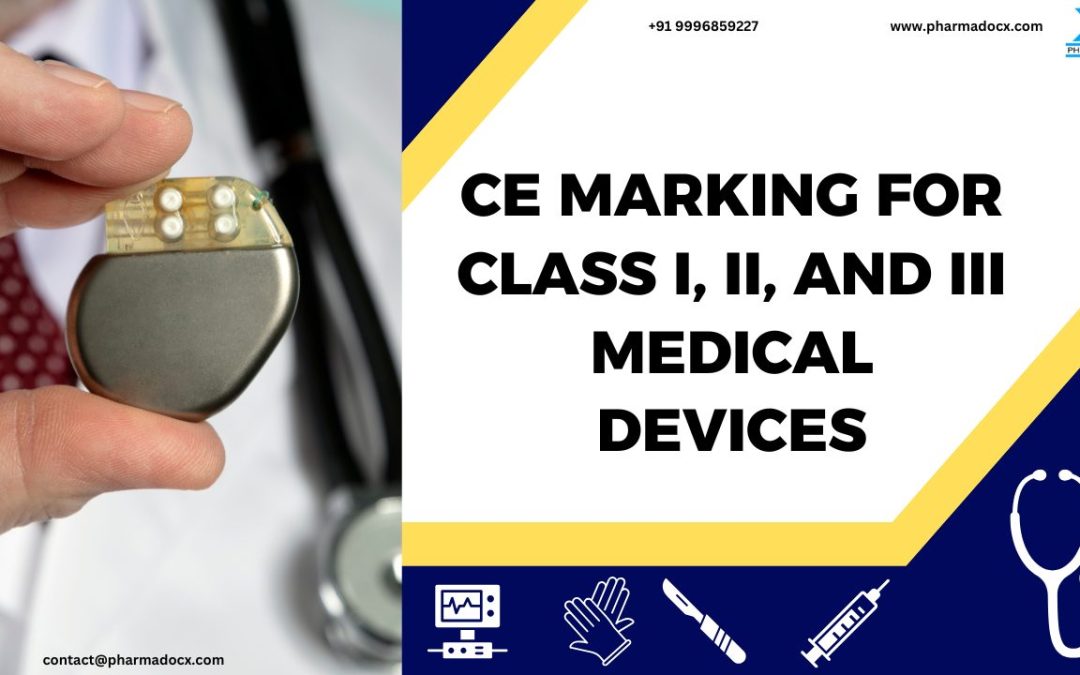
CE Marking for Class I, II, and III Medical Devices: A Guide
CE marking is a mandatory requirement for medical devices sold in the EU/EEA. It demonstrates compliance with EU MDR safety, performance, and quality requirements. The process involves classification, conformity assessment, technical documentation, and post-market...
10 Key EU MDR Cybersecurity Requirements for Medical Devices
In the modern healthcare system, every connected device can be a potential entry point for hackers. Protecting these systems ensures that innovative digital medical devices remain safe, reliable, and trusted. Hence, cybersecurity is vital in the medical device...
10 Tips for Writing Effective SOPs for Medical Device Industry
SOPs are regulatory non‑negotiables. Regulators mandate SOPs to safeguard patient safety, reduce variability, and provide auditable evidence of quality control. In most regulated markets, SOPs are mandatory for licensing, certification, and market access. SOPs form...