
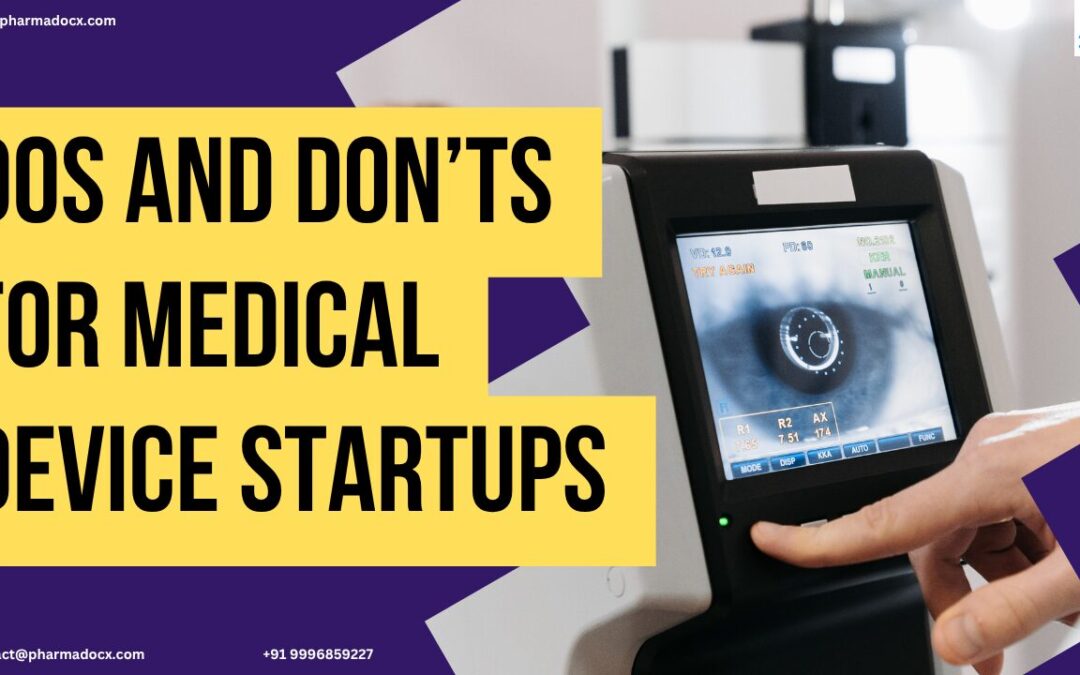

CE Marking for Class Ir Surgical Instruments: Complete Guide
Class Ir surgical instruments require CE marking under the EU MDR. Notably, notified body involvement is limited to reprocessing aspects (cleaning, disinfection, sterilization, maintenance, functional testing). Unlike general Class I devices, manufacturers cannot...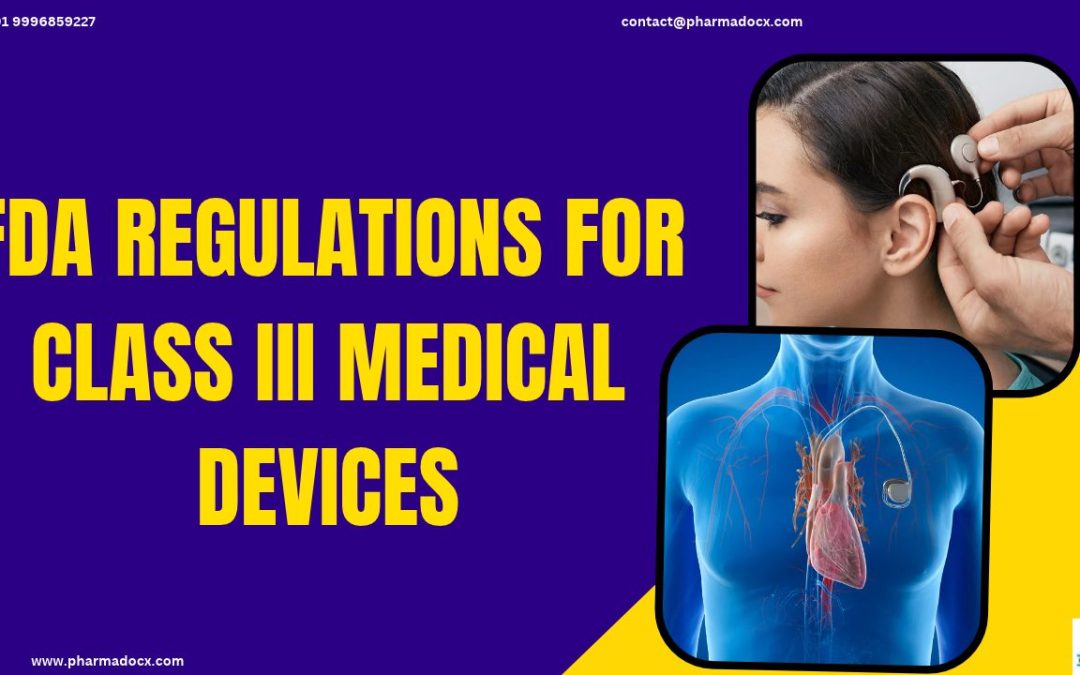
FDA Regulations for Class III Medical Devices: PMA
Class III medical devices are the FDA’s highest-risk category and require rigorous Premarket Approval (PMA) before marketing. These devices sustain or support life, prevent serious health impairment, or pose significant risk if they fail. Unlike Class I and II...
Cybersecurity Requirements for 510(k): Documents, Risk & Tips
Cybersecurity requirements for 510(k) focus on ensuring that medical devices with software or connectivity can withstand cyber threats. 510(k) cybersecurity requirements mandate detailed documentation of secure design, risk management, and postmarket controls for...
7 Essential QMS SOPs for Medical Device Start-Ups
Quality Management System Standard Operating Procedures (QMS SOPs) play a foundational role in medical device start-ups. They transform regulatory requirements into daily operational discipline. They act as the “how-to manuals” for every critical process. SOPs create...