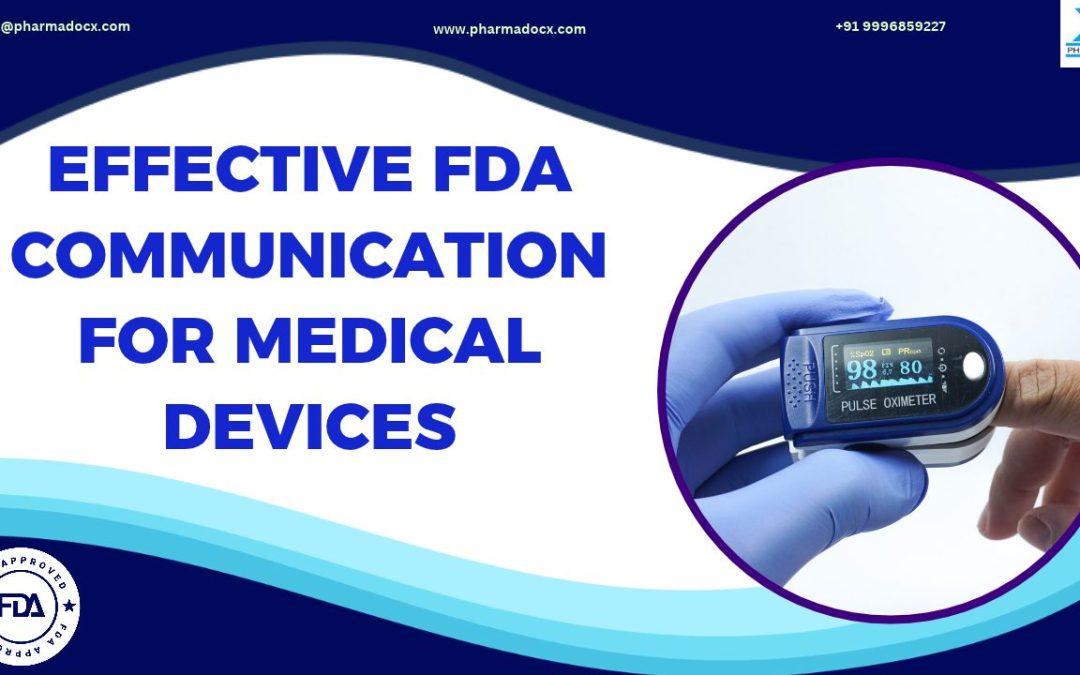
5 Pro Tips for Effective FDA Communication for Medical Devices
FDA communication for medical devices is the structured process through which manufacturers interact with the U.S. FDA. The aim is to ensure compliance, safety, and timely approval of the products. It includes pre-submission meetings to clarify requirements, formal...
FDA Regulations for AI in Medical Devices: Comprehensive Guide
The FDA currently regulates AI in medical devices through existing pathways (510(k), De Novo, PMA). However, it has issued draft guidance and new discussion papers to address AI-specific risks, namely bias, transparency, and continuous learning. In this blog, we have...
Clinical Data Requirements for U.S. FDA Submissions
The FDA’s clinical data requirements are designed to ensure that medical devices are proven safe and effective before reaching patients. Clinical data refers to evidence collected from human studies, including trials, observational studies, and post‑market...