EU AI Act for Medical Devices: 5 Key Obligations
The EU AI Act introduces a new compliance layer for AI-enabled medical devices in Europe. It requires manufacturers to meet both EU MDR/IVDR and AI Act obligations. High-risk AI medical devices must now address AI-specific requirements, such as data governance, risk...
An 8-Step Comprehensive Guide to EU IVDR Compliance
In vitro diagnostics (IVDs) are devices used to perform tests outside the human body on samples, such as blood, urine, or tissue. They are used to detect diseases, monitor health, and guide treatment decisions. They play a crucial role in healthcare by enabling early...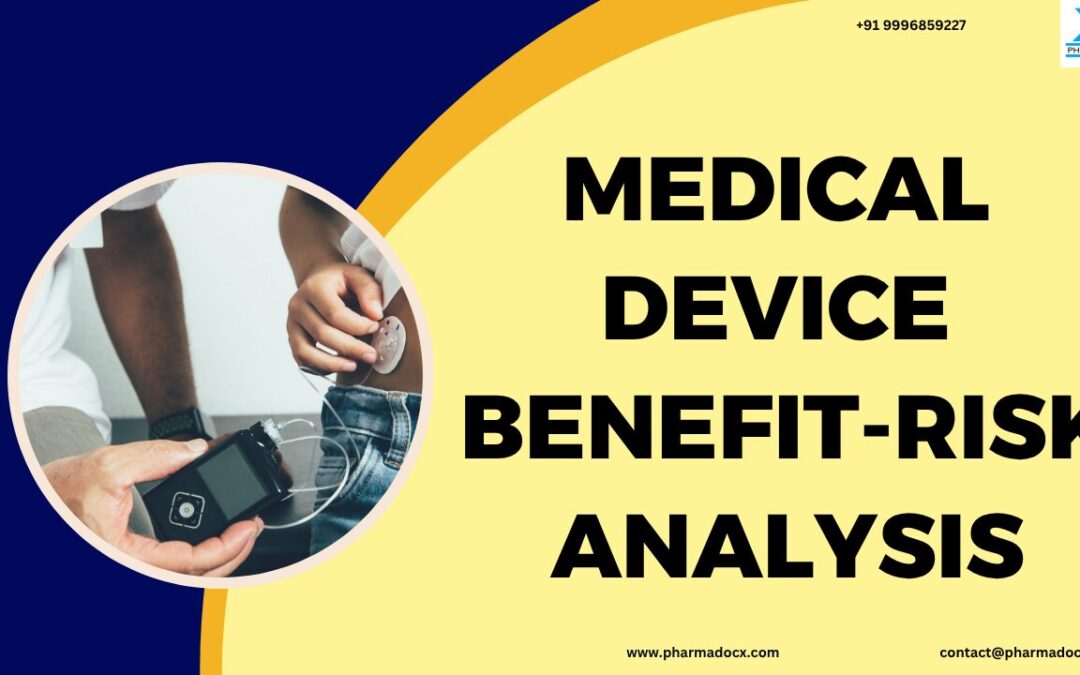
Medical Device Benefit-Risk Analysis: Process & Best Practices
Medical device benefit-risk analysis is a structured evaluation of whether the clinical benefits of a device outweigh its residual risks. It is mandated under ISO 14971:2019, FDA regulations, and EU MDR. Thus, it is critical for regulatory approval, patient safety,...